Cherokee Nation, the largest tribe in the U.S. with more than 475,000 citizens, has banned hyperscale data center development on its tribally owned and trust lands, after a task force convened by Principal Chief Chuck Hoskin Jr. found that 64% of 1,593 surveyed citizens opposed construction of the facilities inside the tribe's 14-county reservation in northeastern Oklahoma. The 37-page report cited energy and water consumption, air quality, noise, and cultural resource protection among citizens' concerns, and the tribe said it won't support projects on non-tribal land within the reservation without early consultation.
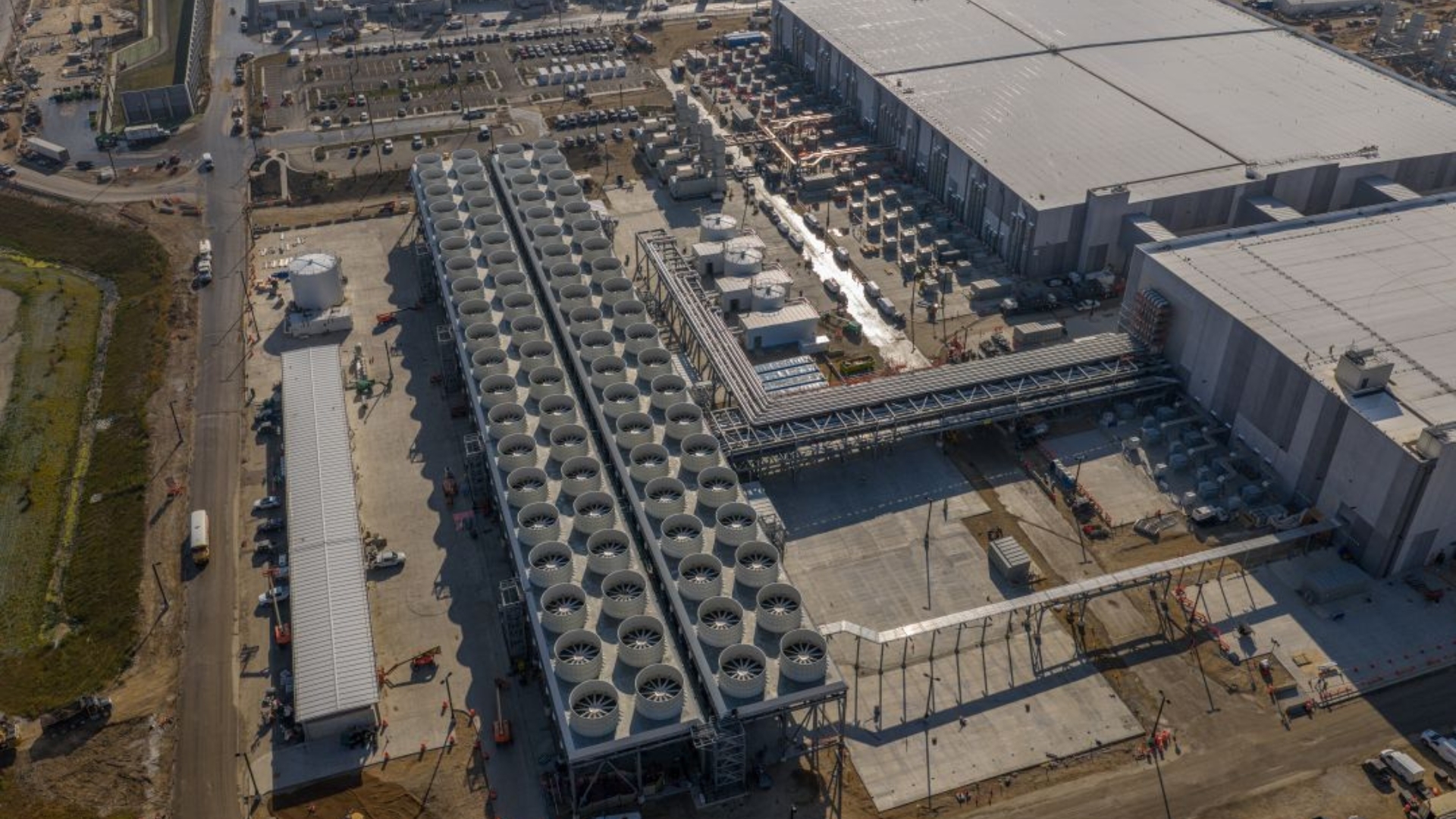
"Our primary responsibility is to protect our citizens and tribal communities from these threats, so we will not support any hyperscale data centers on our reservation without proper consultation," Hoskin said in the tribe's statement.
The task force couldn't establish how many data centers Oklahoma actually has, however. For the same June 2026 date, the report cites Cleanview counting 12 operating and 17 planned projects statewide, DataCenterMap listing 46 operational facilities, and ConstructConnect showing 33 in the pre-construction pipeline. No state or federal rule requires data centers to register anywhere, so the task force's most reliable method for detecting sites was monitoring the Oklahoma Department of Environmental Quality for backup-generator air permits, which themselves don't cover every project.
Every active hyperscale project inside the reservation is sited on non-tribal land and is unaffected by the ban. Google's Pryor campus, for example, has operated since 2011 through at least five expansion phases and forms part of the company's $9 billion Oklahoma commitment, while Project Clydesdale near Owasso and Project Mustang in Claremore, which received a 25-year property tax abatement per phase, both proceed under municipal and county approvals. The report concedes the tribe has no direct regulatory control over such land, only leverage via consultations.
Most projects purposely avoid federal permits that would trigger such tribal consultations under NEPA, and Cherokee Nation joins the Seminole Nation and Kickapoo Tribe, which passed their own moratoriums in March and July according to Tribal Business News. Tulsa itself paused new approvals for nine months in March, part of a wave that has seen at least 69 US jurisdictions block new builds and 19 Michigan municipalities freeze approvals after the Saline Township Stargate fight.
The same survey that recorded 64% opposition found 73% of respondents use generative AI tools, with 34% using them daily and 19% weekly. The report calls this "a clear disconnect" between citizens' perceptions and their actions, and recommends fact sheets and explainers on how everyday AI use feeds hyperscale demand. It also recommends a permanent advisory committee to evaluate future proposals and advise the principal chief as new projects emerge.