微信内可能无法直接打开本站。请点右上角 ··· → 在浏览器打开,或复制链接。
'Backrooms' Is Rewriting What Horror Is Allowed to Be
RSS 官方收录 · 可信分层展示
关键摘要
Horror has always been good at monsters.…
- What it's historically been less good at is dread without a source, th…
- Backrooms fixes that, and in doing so has quietly become one of the mo…
- The origins of this blockbuster is, almost, embarrassingly simple.
摘要引擎:抽取
正文提要
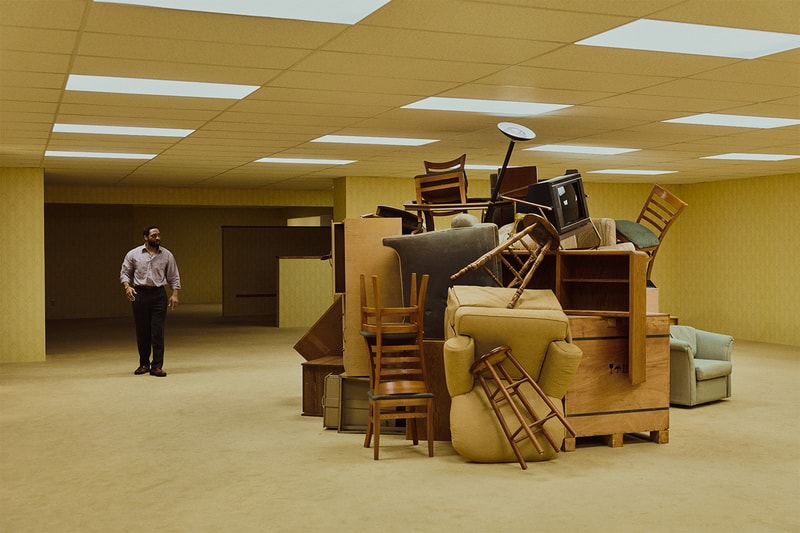
Horror has always been good at monsters. What it's historically been less good at is dread without a source, the particular unease of being somewhere wrong without knowing how you got there or what, exactly, is coming for you. Backrooms fixes that, and in doing so has quietly become one of the most significant shifts in how the genre operates in years.
The origins of this blockbuster is, almost, embarrassingly simple. It all started from single photograph uploaded to 4chan in 2019: an empty room, fluorescent lights, yellow wallpaper the color of old teeth, carpet that belongs in a mid-century office no one has cleaned since 1987. The caption described it as what you see when you "noclip out of reality." That image should not have produced what it did. And yet it became the seed for an entire collaborative mythology, built in comment sections and forums and YouTube videos by people who had never met, all agreeing on the rules of a place that doesn't exist.
Kane Pixels, a teenager with a camera and editing software, took that mythology and turned it into a found footage series that has now been viewed hundreds of millions of times. The genius of his approach is restraint. Backrooms in his films is not loud. There are no jump scares engineered to make you spill your drink. The horror comes from fluorescent hum, from the sense of scale, from the implication of something just out of frame that has been watching for longer than you've been aware of it. It's the kind of filmmaking that understands atmosphere as a weapon.
What separates Backrooms from the horror that came before it is where the anxiety lives. Traditional horror exteriorizes fear: there is a thing, the thing wants to hurt you, you run. Backrooms internalizes it. The terror is spatial and psychological, rooted in the feeling of being in a place that should be familiar but has been stripped of every marker that makes familiar spaces safe. There's no exits, no other people, no sky, no weather. Only the hum and the yellow and the sense that the geometry is slightly wrong in a way you can't quite name. Anyone who has ever woken up disoriented in an unfamiliar room at 3am knows the specific flavor of that feeling, and Backrooms has figured out how to sustain it for as long as it wants.
It also changed who gets to make horror. Backrooms universe is genuinely collaborative, built by hundreds of contributors across platforms, each adding levels and rules and entities that the community absorbs or rejects collectively. No studio greenlit it. No distributor decided it was commercially viable. It exists because people found something in that photograph and couldn't stop thinking about it.
That's the part the traditional industry is still trying to work out how to replicate. Backrooms didn't come from a pitch deck. It came from a feeling, specific and hard to articulate, that a single image managed to surface. Most horror dreams of that kind of resonance its entire career. Backrooms stumbled into it on an anonymous imageboard, and the genre hasn't quite caught up yet.
Baclrooms is available now on Cathay Pacific‘s award-winning inflight entertainment system.